
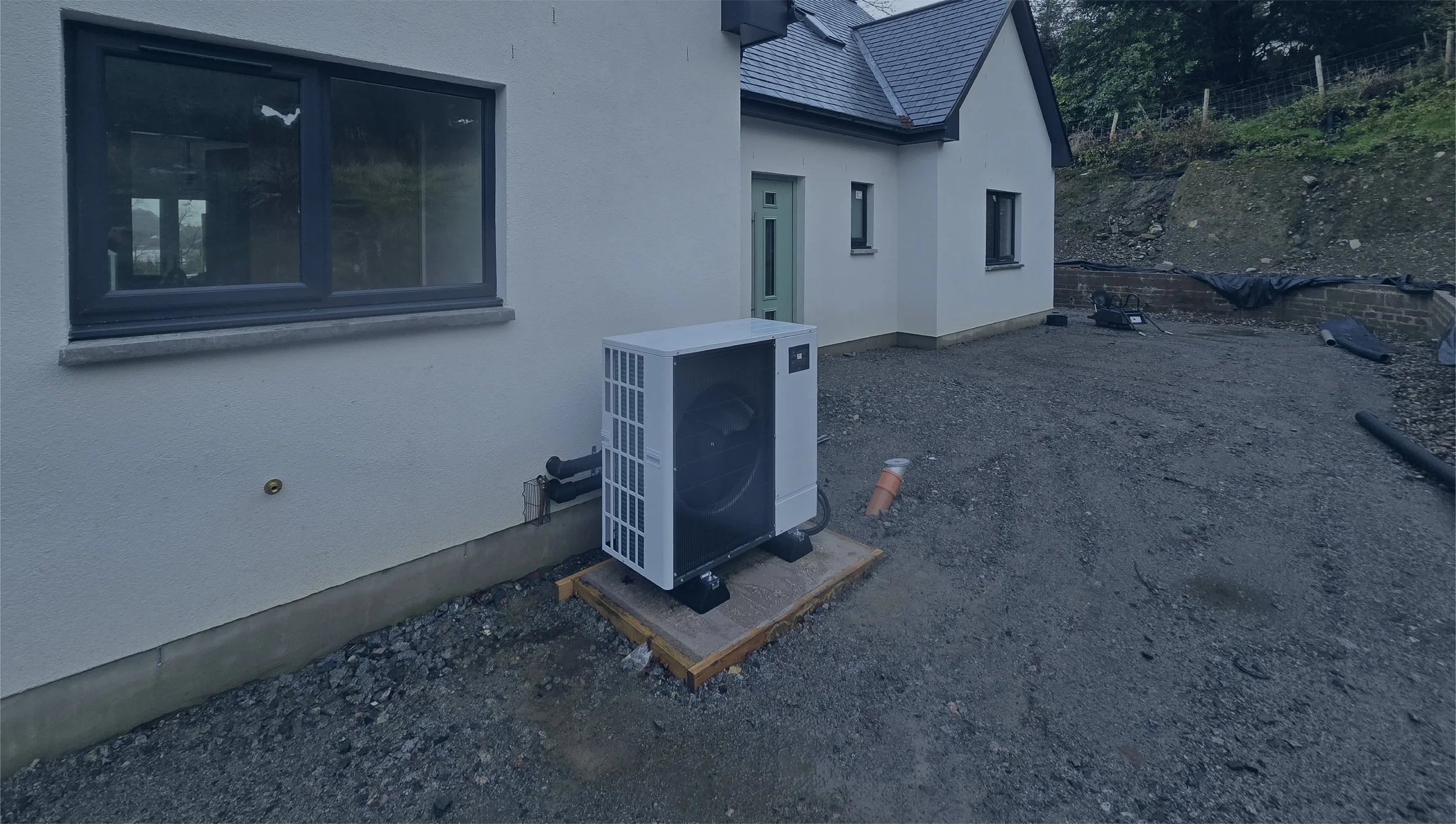
Heat Pumps Become Mandatory Under the Future Homes Standard 2026 (Now Confirmed for 2028)
The Government has now confirmed that the Future Homes Standard will be fully implemented from 2028, following a transition period. This is no longer a proposal or a consultation. It is a firm date that will affect almost every new home built in England.
For plumbers, heating engineers, developers, and housebuilders, this represents a major shift. Heat pumps and solar panels will become the default for new builds, and gas heating will no longer be the starting point.
While the formal deadline is 2028, homes being designed today are still highly likely to be built under these new standards. Planning ahead is no longer optional, it is essential.
Jump Ahead

What the Future Homes Standard will mean on site
The Government has now confirmed the Future Homes Standard as part of its Warm Homes Plan, marking a major step in improving energy efficiency and reducing carbon emissions in UK housing. From 2028, the vast majority of new homes in England will be future-proofed with clean heating, solar panels, and high levels of energy efficiency.
“New minimum energy performance requirements will reduce carbon emissions by at least 75% compared to homes built to 2013 standards. They are being introduced with a 12‑month lead‑in period followed by a 12‑month transitional period, giving manufacturers, installers and developers time to prepare.” - Department for Energy Security and Net Zero (DESNZ), Warm Homes Plan stakeholder update, 2026
Once fully implemented, most new homes will:
Require low-carbon heating systems, such as heat pumps
Include solar panels or on-site renewable electricity generation
Meet significantly higher energy efficiency standards
For installers, this means heat pump work will no longer be limited to retrofit jobs. New build sites will increasingly expect installers who can design, install, and commission heat pumps at scale.
Through our heat pump umbrella scheme, installers can rely on us for design, supply, commissioning, and compliance, allowing them to focus solely on installation - providing a clear path into larger new build projects as demand grows.
For developers, heating systems must be planned earlier. Plant space, electrical capacity, emitter design, and noise levels need consideration from the start. Treating a heat pump as a last-minute boiler swap risks delays and extra cost.
See how JWS Cotswold Builders successfully integrated heat pumps into their projects using our MCS umbrella scheme, with solutions that would align with the Future Homes Standard.
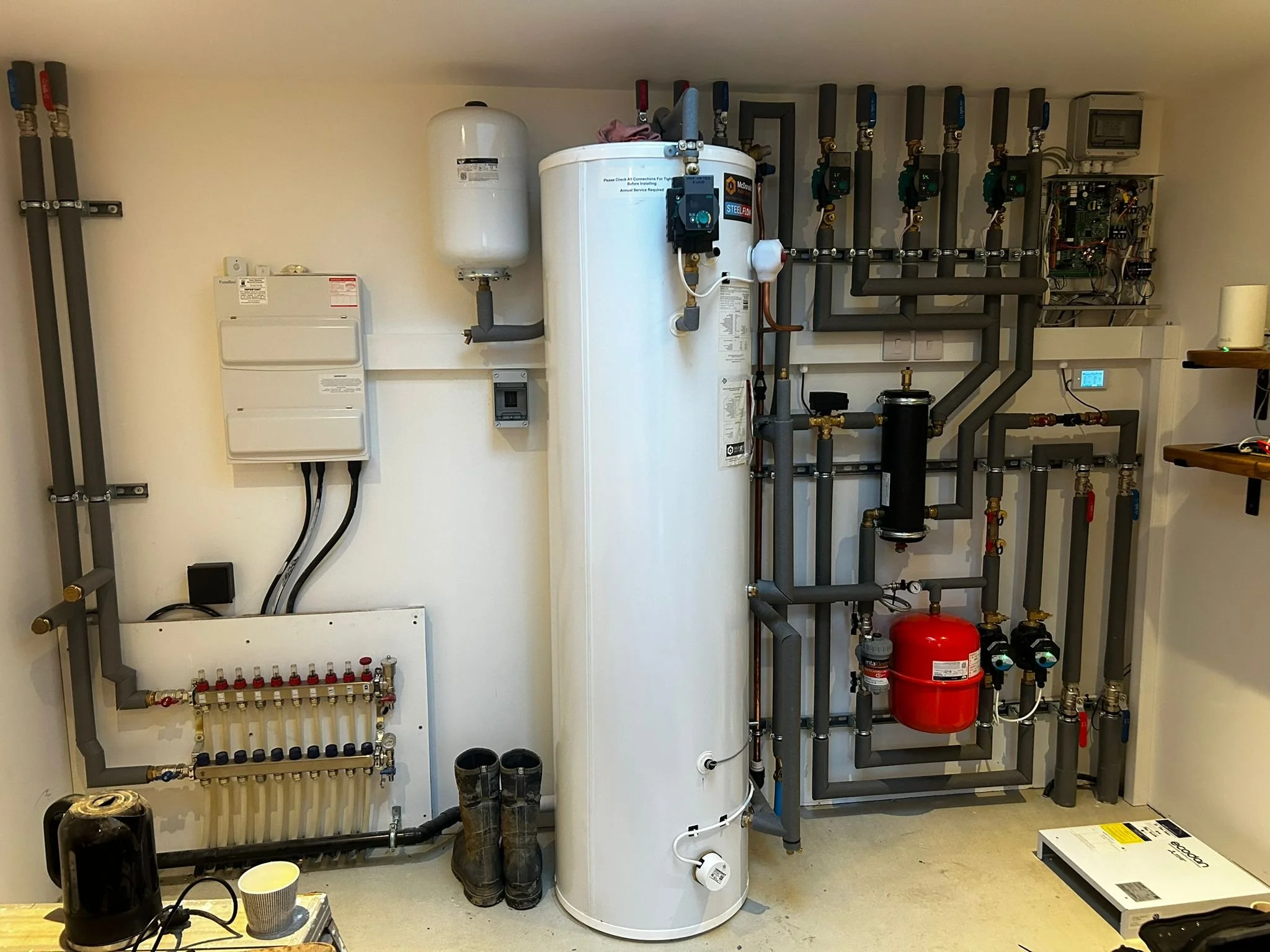
Heat Pumps in New Builds
Demand for heat pump installations is set to increase significantly, with heat pumps becoming mandatory in new builds under the updated regulations. Every new home will require a properly designed, installed, and commissioned system.
The regulatory change will guarantee a steady, long-term increase in demand for skilled installers, while retrofit opportunities continue through grants, low-interest loans, and tighter energy efficiency rules for existing homes.
New build sites will require:
Consistent, scalable installation capability
High standards in system design and commissioning
Installers who understand compliance and performance requirements
Proper design, commissioning, and handover will be standard expectations for every heat pump installation, not optional. Installers who invest in training now are more likely to secure repeat work and long-term relationships, while those who wait may struggle to catch up once demand increases.
For experienced plumbers without heat pump experience, signing up for our free heat pump training course is the best way to prepare.
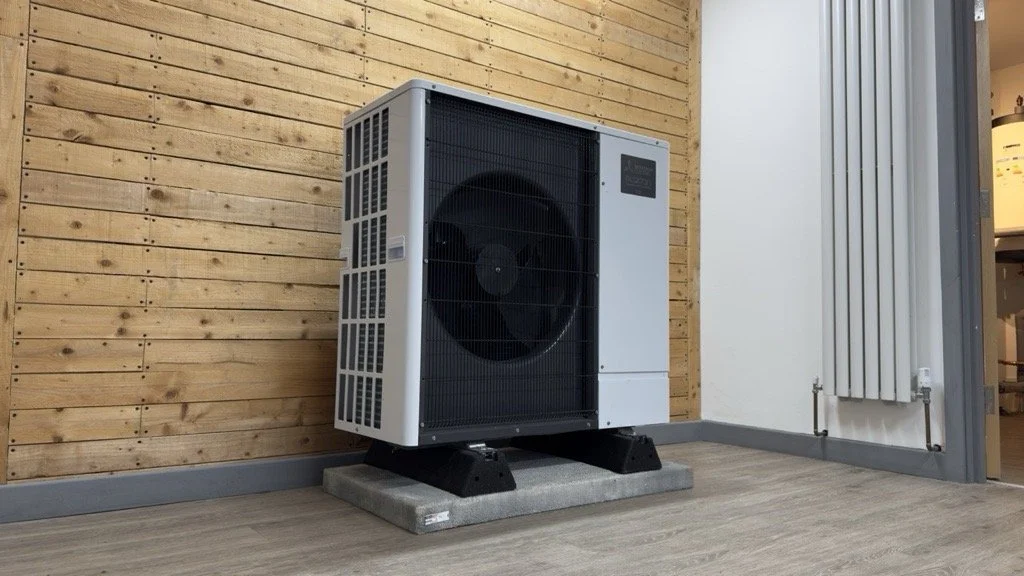
Helping Developers Navigate the Future Homes Standard
While 2028 is the formal deadline, many developers are expected to adopt these standards earlier to avoid redesign costs and future-proof their projects.
Alto Energy supports developers every step of the way, providing guidance on integrating heat pumps into new builds. Our network of Alto Assured installers can also deliver expert installation, keeping projects on schedule and fully compliant.
Preparing for the Updated Building Regulations
The key point is that the direction is now fixed. The Future Homes Standard confirms that heat pumps and solar panels will be standard in new homes.
For installers, this is about protecting future work and keeping skills relevant. For developers, it is about avoiding disruption by aligning projects with what is coming.
Whether you’re an installer preparing for new build heat pump work or a developer planning a project, our team can help.
Get in touch today to discuss your project.
Frequently Asked Questions
-
Heat pumps will be mandatory in most new homes in England starting from 2028 under the Future Homes Standard. Builders will need to include low-carbon heating systems like heat pumps in new builds from this date.
-
Not yet. Heat pumps will become mandatory in most new builds once the Future Homes Standard comes into effect in 2028.
-
From 2028, most new homes will need to include heat pumps or other low-carbon heating systems to meet government standards. Before then, installation is voluntary, though early adoption is encouraged.
-
Yes. However, in new build scenarios, when all of the heating distribution needs to be installed new as well, the cost increase for installing a heat pump compared to a boiler is marginal. Then, when you take into account the significant cost of bringing gas to site, in many instances heat pumps can actually be cheaper to install into new build developments than gas boilers.
MCS umbrella scheme
If you want to install MCS accredited heat pumps and help your customers access funding like the Boiler Upgrade Scheme, our Alto Assured MCS Umbrella Scheme is the perfect solution. We’ll handle all the MCS paperwork and compliance for you, and our expert team will also design, supply, and commission the system, so you can focus entirely on the installation.